1 Why Do Engine Mounts and Suspension Bushings Matter?
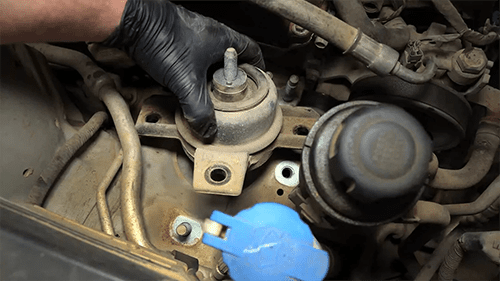
Engine mounts and suspension bushings play foundational roles in vehicle operation. Engine mounts secure the engine to the vehicle’s frame, absorbing vibrations, reducing noise, and preventing excessive movement that could damage surrounding components. Without properly functioning mounts, engine torque and movement would transfer directly to the chassis, creating harsh vibrations and mechanical stress.
Suspension bushings, typically made of durable rubber or polyurethane, act as cushions between suspension parts such as control arms, sway bars, and frame rails. They absorb road shock, reduce friction between metal components, improve steering responsiveness, and ensure a smooth, stable ride. Together, these rubber components preserve ride comfort, protect mechanical parts, and maintain proper alignment and handling.
2 What Are the Top Signs Your Engine Mounts Need Replacement?
Worn or damaged engine mounts produce distinct symptoms that are hard to ignore. The most common warning signs include:
- Excessive Engine Vibration: Increased shaking felt through the steering wheel, floorboards, or seats, especially at idle or during acceleration.
- Loud Clunking or Banging Noises: Audible thuds when shifting gears, accelerating, or braking, caused by the engine shifting abnormally.
- Visible Damage or Cracking: Broken, torn, or collapsed rubber material on the mount itself, along with fluid leaks in hydraulic mounts.
- Engine Movement: Visible shifting or rocking of the engine when revving, indicating failed support.
- Damage to Belts or Hoses: Misalignment or excessive tension on drive belts, coolant hoses, or wiring due to unstable engine positioning.
Ignoring these signs can lead to further damage to the exhaust system, transmission mounts, and other nearby components.
3 What Are the Top Signs Your Suspension Bushings Need Replacement?
Suspension bushings degrade gradually, but their failure directly impacts ride quality and safety. Key indicators include:
- Loose or Unresponsive Steering: Vagueness in steering feel, delayed response, or difficulty maintaining a straight line.
- Clunking, Rattling, or Squeaking Noises: Metallic or creaking sounds when going over bumps, turning, or driving on rough roads.
- Poor Handling and Stability: Increased body roll, wandering, or a floating sensation while driving at higher speeds.
- Uneven Tire Wear: Premature, irregular tread wear caused by misaligned suspension components.
- Excessive Road Feel: Increased harshness and vibration transferred into the cabin, reducing overall comfort.
Worn bushings can also affect wheel alignment, leading to reduced fuel efficiency and accelerated tire replacement.
4 What Causes Mounts and Bushings to Fail?
Several factors contribute to the deterioration of engine mounts and suspension bushings:
- Normal Wear and Tear: Continuous friction, vibration, and compression break down rubber compounds over time.
- Environmental Factors: Exposure to oil, grease, road salt, extreme temperatures, and moisture accelerates rubber degradation.
- Heavy Loads and Towing: Consistent stress from hauling heavy cargo or towing exceeds component design limits.
- Aggressive Driving: Hard acceleration, sudden braking, and frequent off-road use increase mechanical stress.
- Poor Quality Components: Low-grade rubber or inferior manufacturing leads to shorter service life and early failure.
Even with careful driving, these components will eventually require replacement due to material fatigue.
5 When to Replace and How to Choose the Right Components?
Most manufacturers recommend inspecting engine mounts and suspension bushings during routine maintenance, typically every 50,000 to 100,000 miles. Replacement is necessary if physical damage, excessive play, or performance-related symptoms appear.
When selecting replacement parts, prioritize durability, material quality, and precise fitment. OEM-grade or high-performance aftermarket components ensure compatibility and reliability. Avoid cheap, low-quality rubber parts that wear out quickly and compromise safety. Always choose components designed for your vehicle’s year, make, and model to guarantee proper installation and performance.
6 How Gjbush Ensures Long-Life Rubber Components?
Gjbush specializes in manufacturing premium engine mounts, suspension bushings, and rubber automotive components engineered for longevity and performance. The brand achieves exceptional durability through:
- High-Grade Rubber Formulations: Using heat-resistant, oil-resistant, and tear-resistant rubber compounds that withstand harsh conditions.
- Precision Engineering and Testing: Each component is designed to match or exceed OEM specifications, with rigorous quality control and durability testing.
- Reinforced Structural Design: Enhanced bonding and internal reinforcement prevent tearing, collapsing, and premature wear.
- Strict Manufacturing Standards: State-of-the-art production processes ensure consistent quality, perfect fitment, and reliable performance.
- Focus on Longevity: Gjbush components are built to reduce maintenance frequency and deliver extended service life under various driving conditions.
By choosing Gjbush, vehicle owners gain reliable, high-performance rubber components that restore smooth operation and extend component lifespan.
Conclusion
Engine mounts and suspension bushings are essential for a safe, comfortable, and reliable driving experience. Recognizing the warning signs of wear — including excessive vibration, unusual noises, poor handling, and visible damage — allows for timely replacement and prevents more extensive mechanical issues.
Selecting high-quality, durable components is key to long-term performance, and Gjbush stands out as a trusted provider of long-lasting engine mounts and suspension bushings. Regular inspection and proactive replacement will keep your vehicle running smoothly, maintain proper handling, and protect your investment in the long run.